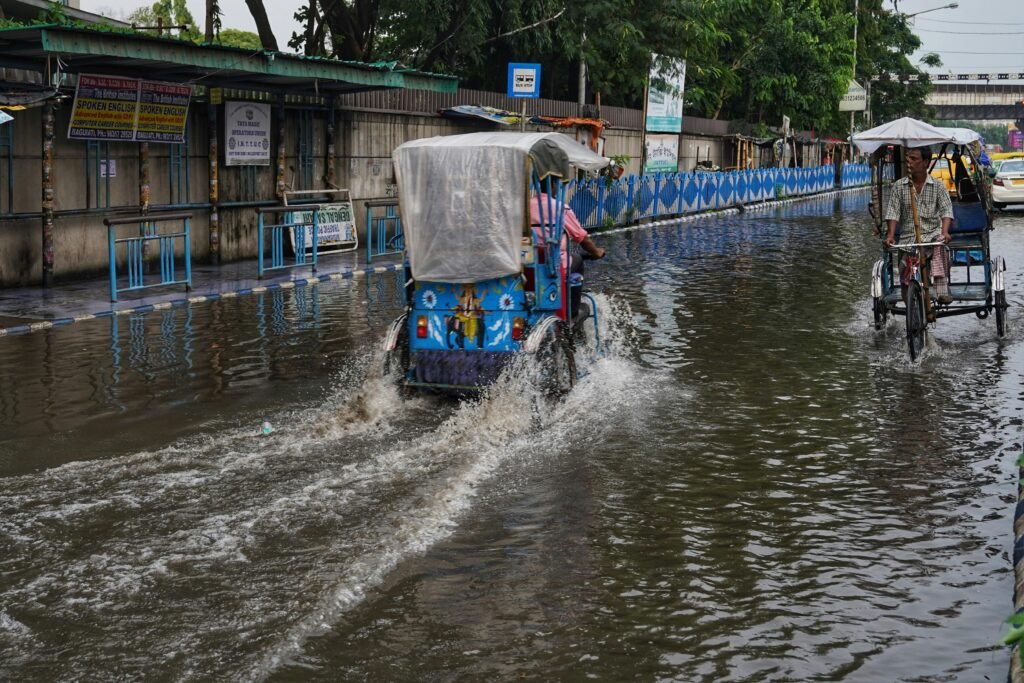
Introduction: The Importance of Pre-Monsoon Preparation
As the pre-monsoon season approaches, it becomes essential to recognize the importance of collaborative efforts among various stakeholders, including citizens, local governments, farmers, and businesses. The impending rainy season brings with it a range of challenges that can significantly impact daily life, agricultural production, and infrastructure stability. Therefore, pre-monsoon preparation is not merely an individual responsibility but a shared obligation that calls for coordinated action.
The monsoon rains, while crucial for replenishing water sources and supporting agricultural growth, can also lead to flooding, soil erosion, and infrastructural damage if not managed properly. With climate change increasing the variability of weather patterns, the unpredictability of monsoon events has become more pronounced, necessitating the need for proactive measures. Through collective effort, communities can enhance their readiness and resilience to the adverse effects of these rains.
Local governments play a pivotal role in pre-monsoon preparations by conducting assessments of vulnerable areas and implementing necessary drainage and flood management systems. Citizens, on the other hand, must engage in practices such as clearing drainage channels and securing their property to minimize damage from heavy rainfall. Farmers should consider adopting soil conservation techniques and planting suitable crops that can withstand waterlogging. In addition, businesses must prepare for potential disruptions by creating robust contingency plans to ensure the continuity of operations.
Ultimately, the integration of efforts across various sectors can significantly mitigate the challenges posed by the monsoon rains. By adopting a proactive approach towards pre-monsoon work, stakeholders can create a safer and more resilient environment that minimizes the negative consequences of seasonal weather patterns. This collective responsibility lays the groundwork for effective disaster management and helps in safeguarding the community as a whole.
Home: The Citizen’s Duty
As the monsoon season approaches, it is vital for families to take proactive measures to prepare their homes, ensuring safety and enhancing well-being during this potentially hazardous time. One of the primary responsibilities of citizens is to waterproof their homes effectively. This can be achieved by applying waterproofing compounds to walls and roofs, which not only protects the structure from water damage but also prevents the deterioration of materials over time.
Another critical aspect of pre-monsoon preparation is maintaining clear drains, especially terrace drains. Families should take the initiative to remove any debris that may obstruct the flow of water. Blocked drains can lead to significant water accumulation, which can result in leaks, structural damage, and even mold growth. By ensuring that these passageways are clear, homeowners can mitigate the risk of flooding and preserve the integrity of their properties.
Moreover, the importance of mosquito control cannot be overstated. The monsoon period often ushers in an increase in mosquito populations, contributing to the spread of diseases such as dengue and malaria. To combat this, families should regularly check for stagnant water around their homes, including in pots, discarded tires, and other containers. Treating these areas with larvicides or employing other preventative measures will help create a healthier living environment.
Through effective waterproofing, maintaining clear drains, and controlling mosquito populations, families not only protect their properties but also contribute to safer neighborhoods. Collectively, these actions foster an environment that promotes health and safety, ensuring that families can navigate the monsoon season with confidence and security.
Government Decisions: The System’s Duty
In the realm of urban administration, local government and municipal corporations bear the crucial responsibility of preparing cities for the impending monsoon season. Effective pre-monsoon actions are pivotal to ensuring the well-being of citizens and the functionality of urban infrastructure. Among the various tasks undertaken, the cleaning of major drainage channels is of utmost importance. Blocked drainage systems can lead to severe waterlogging during heavy rains, which disrupts daily life and poses risks to public safety.
Furthermore, road patching emerges as another vital task that local governments must prioritize. The presence of potholes and deteriorated road surfaces can exacerbate traffic conditions during the monsoon, leading to accidents and delays. Timely repairs not only restore the integrity of roadways but also facilitate a smoother flow of traffic, thereby reducing congestion and promoting safety for all commuters.
In addition to these physical maintenance actions, implementing safety guidelines is essential for ensuring community preparedness. Local governments must disseminate information regarding potential hazards associated with the monsoon, including floods and landslides. By informing residents on safety protocols and emergency contact numbers, municipal authorities can foster a culture of preparedness and resilience among the populace.
The anticipated effects of these pre-monsoon measures extend beyond immediate safety concerns. By preventing city-wide waterlogging and ensuring smooth traffic flow, local authorities can significantly enhance public trust. When citizens witness proactive measures being taken, they are more likely to feel assured about the competence and commitment of their local government. Thus, these decisions become integral to building a transparent relationship between citizens and the authorities overseeing their welfare.
Farming: The Backbone
Farmers play a pivotal role in ensuring food security, especially as the monsoon season approaches. The pre-monsoon period is critical for farmers to prepare their land adequately, ensuring that the impact of the upcoming rains is maximized for agricultural productivity. One of the foremost responsibilities of farmers during this time is soil preparation, which involves plowing and mixing organic matter into the soil. This practice enhances soil structure, increases fertility, and can significantly improve crop yields, thus reinforcing its importance in farming.
In addition to soil preparation, farmers must also focus on water channel clearing. With rains often causing flooding and soil erosion, maintaining clear drainage channels is essential for managing excess water. By clearing and reinforcing these channels, farmers can prevent water from inundating their fields, which can lead to significant crop destruction. Proper water management aids in sustaining the topsoil during heavy rains, ensuring that the land remains productive and usable for future planting seasons.
Moreover, setting up rainwater harvesting systems should be on the agenda for farmers as well. These systems not only capture rainwater for irrigation purposes but also help in replenishing groundwater supplies, which may be vital during the dry months. Harvesting rainwater can act as a buffer against drought conditions, supporting crop yield stability and preserving resources. Farmers who implement these measures can enjoy improved production levels, contributing to sustainable agricultural practices that benefit the community and the environment.
In conclusion, the responsibility of effective pre-monsoon preparations lies heavily on the shoulders of farmers. By focusing on soil preparation, water channel maintenance, and rainwater harvesting, they can ensure a bountiful crop, minimize the risks associated with heavy rainfall, and promote agricultural resilience in the face of climate variability.
Business Practices: Corporate Responsibility
As the pre-monsoon season approaches, businesses must undertake proactive measures to prepare for the forthcoming rains while simultaneously upholding their ethical commitments to corporate responsibility. The readiness of business premises for monsoon conditions is essential not only to protect assets but also to ensure the safety of employees and customers. This involves conducting thorough inspections of buildings, including the roofing, drainage systems, and areas prone to flooding. Implementing effective maintenance practices ensures business continuity during this period of unpredictable weather.
Moreover, businesses are encouraged to leverage their resources and influence to support local communities and environmental initiatives. Establishing partnerships with local organizations aimed at enhancing community resilience to monsoon-related challenges can significantly contribute to both public welfare and corporate social responsibility (CSR). For example, sponsoring rainwater harvesting projects or organizing community clean-up drives not only helps to mitigate the negative impact of heavy rains but also fosters a stronger relationship between the business and the community it serves.
Furthermore, integrating eco-friendly practices into business operations can lead to an overall reduction in environmental impact. Adopting practices such as using sustainable materials and promoting energy-efficient systems not only benefits the environment but also enhances the brand image of the business. By embodying CSR principles, businesses effectively demonstrate their commitment to ethical practices, which can lead to improved consumer trust and loyalty.
Ultimately, the combined efforts of businesses in preparing for the monsoon while actively engaging in corporate responsibility initiatives can yield substantial benefits. These practices lead to enhanced community relations and establish a comprehensive approach to facing the challenges posed by seasonal rains. This shared responsibility is fundamental not only for individual corporate success but also for community well-being during the monsoon season.
Community Action: Mobilizing Local Support
Community engagement plays a pivotal role in pre-monsoon preparedness, representing a collective endeavor that benefits both individuals and the larger environment. Mobilizing local support through community groups and organizations is essential for effective pre-monsoon efforts. Such communities can spearhead cleanliness drives that not only reduce the potential for flooding but also contribute to the overall health of public spaces.
One effective strategy is to organize periodic cleanliness campaigns where residents come together to clear debris, litter, and other potential blockages from drainage systems. By participating in these drives, community members foster a sense of ownership and responsibility towards their shared environment, which enhances their connection to the locality. Moreover, these initiatives facilitate social interaction and bonding, creating stronger relationships among neighbors.
Awareness campaigns also play a critical role in preparing communities for the impending monsoon. Educational workshops led by local organizations can inform residents about best practices for pre-monsoon readiness, such as safely securing loose items and understanding the importance of maintaining clear drainage systems. These campaigns can significantly raise awareness about safety measures to protect lives and property during the monsoon season.
Partnerships with local government entities are crucial in amplifying these community initiatives. Local authorities can provide support, resources, and guidance, while community organizations can mobilize volunteers and foster grassroots participation. Such collaboration enables the development of more organized responses to pre-monsoon challenges, promoting better urban planning and emergency preparedness.
Ultimately, through active community participation and mobilization efforts, there is a marked improvement in local resiliency against the adversities posed by monsoon season. A concerted approach involving local support not only results in enhanced public spaces but also cultivates a more informed and proactive community.
Educational Campaigns: Spreading Awareness
With the onset of the monsoon season, preparatory measures become imperative to ensure community safety and well-being. Educational campaigns play a crucial role in spreading awareness among citizens about the various actions that should be undertaken before the rains arrive. These campaigns can take multiple forms, including cleanliness drives in schools, workshops for community members, and proactive information dissemination through social media platforms.
Schools are in a unique position to engage students by incorporating pre-monsoon education into their curriculum. By organizing cleanliness programs, students not only learn about the importance of maintaining cleanliness but also participate actively in preparing their environment for the rainy season. Such programs encourage responsibility amongst the youth, nurturing a sense of ownership toward their surroundings.
In addition to school initiatives, workshops aimed at educating community members can be invaluable. These workshops can cover essential topics such as water conservation, proper waste management, and the significance of maintaining drains and gutters. Facilitated by local experts or environmental agencies, these educational gatherings foster a collaborative spirit among community members, resulting in increased awareness and preparedness.
Furthermore, leveraging social media as a tool for information dissemination enhances the reach and efficacy of educational campaigns. Sharing engaging content on platforms like Facebook, Twitter, and Instagram provides citizens with easy access to critical information regarding pre-monsoon measures. Through regular updates, infographics, and tips, social media can influence more extensive civic engagement, effectively turning the community into informed participants rather than passive recipients.
By integrating these various methods of education, communities can foster a culture of awareness and readiness, ultimately leading to reduced vulnerabilities during the monsoon season.
Challenges and Barriers: Addressing the Hurdles
The effective execution of pre-monsoon work is often hampered by a multitude of challenges and barriers. These issues can significantly impede proactive measures and diminish the overall efficacy of preparedness strategies. A prevalent barrier is the lack of awareness regarding the importance of pre-monsoon initiatives among local communities and stakeholders. When individuals and organizations are not thoroughly informed about the risks associated with monsoon season, they are less likely to engage actively in preventive actions.
Resource constraints also play a critical role in hampering effective pre-monsoon work. Limited financial resources, inadequate manpower, and insufficient technological tools can obstruct efforts to implement necessary measures, such as infrastructure improvements or community outreach programs. This scarcity often results in a reactive rather than proactive approach, increasing vulnerability to potential monsoon-related damages.
Moreover, infrastructural weaknesses present another significant challenge. Many regions experience deteriorating infrastructure that is ill-equipped to handle the intense rainfall and flooding characteristic of the monsoon season. Such inadequacies can lead to devastating consequences, including loss of life, property damage, and disruption of essential services.
To overcome these barriers, strategic interventions are required. Increasing awareness through educational programs tailored for communities can foster better understanding and participation. Governments and NGOs can collaborate to enhance resource allocation and optimize the use of available funding. Additionally, investing in infrastructural upgrades can mitigate vulnerabilities associated with extreme weather events. By addressing these challenges head-on, we can build a more resilient framework for pre-monsoon work, ensuring effective preparedness for the impending season.
Conclusion: A Call to Action
As we approach the monsoon season, it is crucial to recognize that effective pre-monsoon work is not solely the responsibility of any single entity; rather, it is a shared duty requiring the collective participation of various stakeholders, including government bodies, community organizations, and individual citizens. Each of these pillars plays a vital role in ensuring our communities are adequately prepared to face the challenges posed by heavy rains and flooding.
Government agencies must lead by implementing robust infrastructure projects, conducting awareness campaigns, and establishing emergency response systems. Simultaneously, community groups can facilitate local efforts, promoting education on preparedness strategies while mobilizing residents to engage in critical activities such as drainage cleaning and tree pruning. Furthermore, individual citizens are encouraged to take ownership of their environment, actively participating in these collective efforts while developing personal emergency plans to safeguard their families and properties.
The benefits of proactive pre-monsoon preparations extend beyond immediate safety; they contribute significantly to long-term resilience against climate-related disruptions. When communities unite in these endeavors, they not only enhance their readiness but also foster a sense of solidarity and shared purpose. We urge all readers to reflect on their roles and responsibilities in this critical period and to take proactive steps towards contributing to their community’s preparedness efforts.
In closing, as the monsoon season approaches, let us collectively commit to action—from local initiatives to individual contributions. By coming together, we can ensure a safer environment for ourselves and future generations, diminishing the risks associated with monsoon impacts and creating a more resilient community.